How to Choose the Best Countertop Material for Your Redding Remodel
Choosing the right countertop material is one of the most important decisions in any kitchen or bathroom remodel. Each type of stone offers distinct qualities that influence its durability, appearance, maintenance, and long-term performance. Below is a breakdown of six of the most popular materials to help you choose the best option for your space.
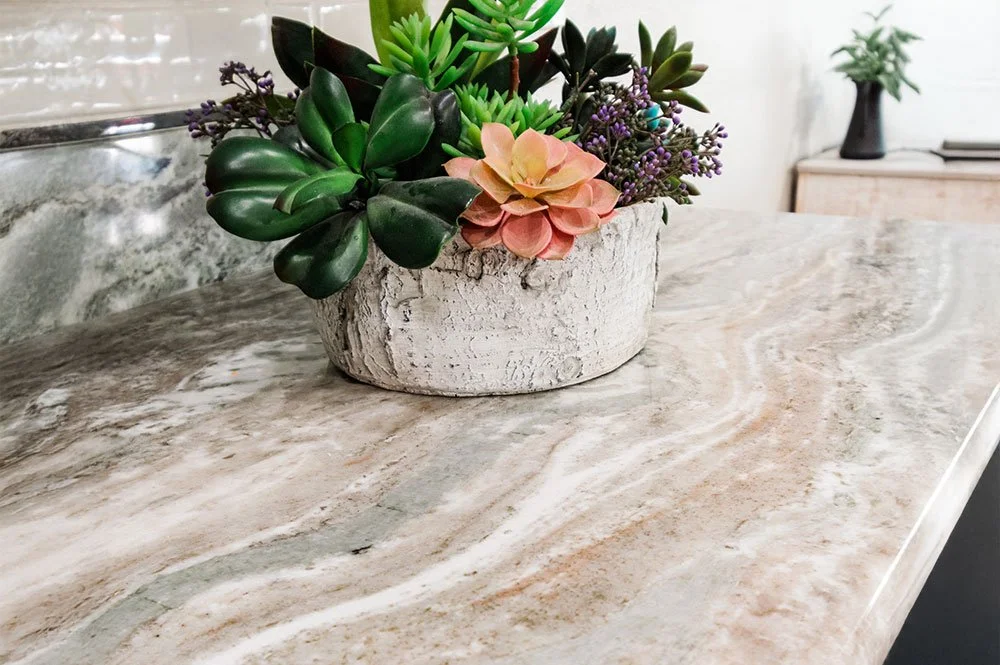
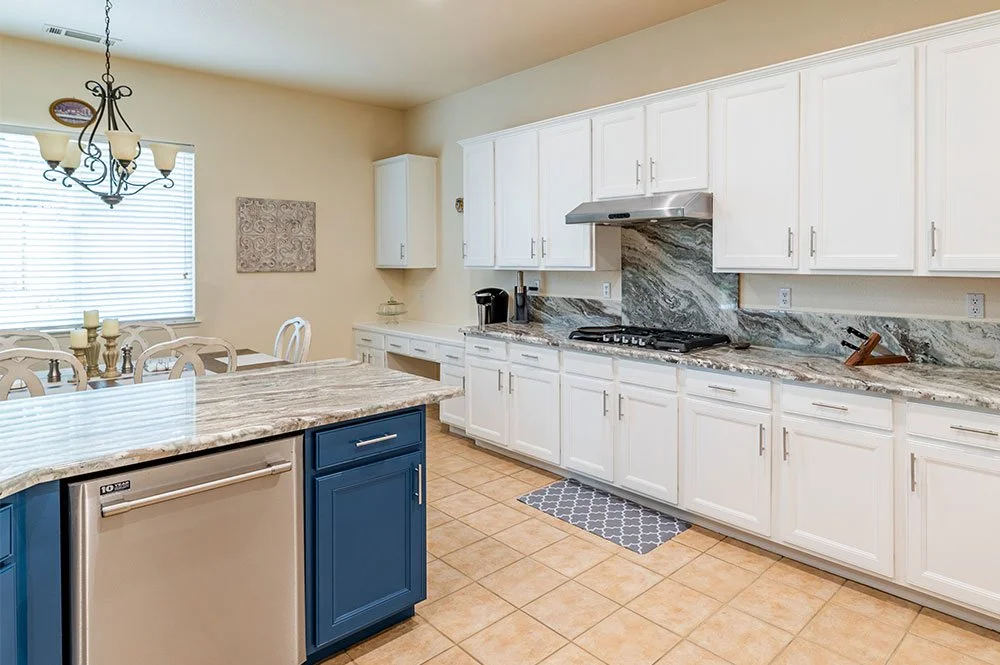
click on image to see larger
Granite: Durable and Timeless
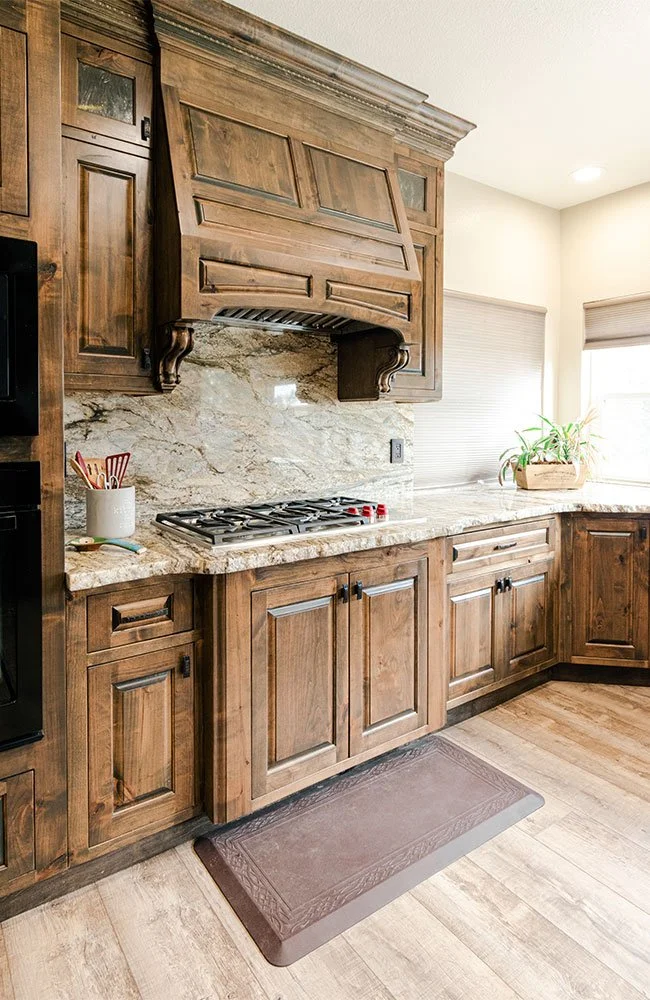
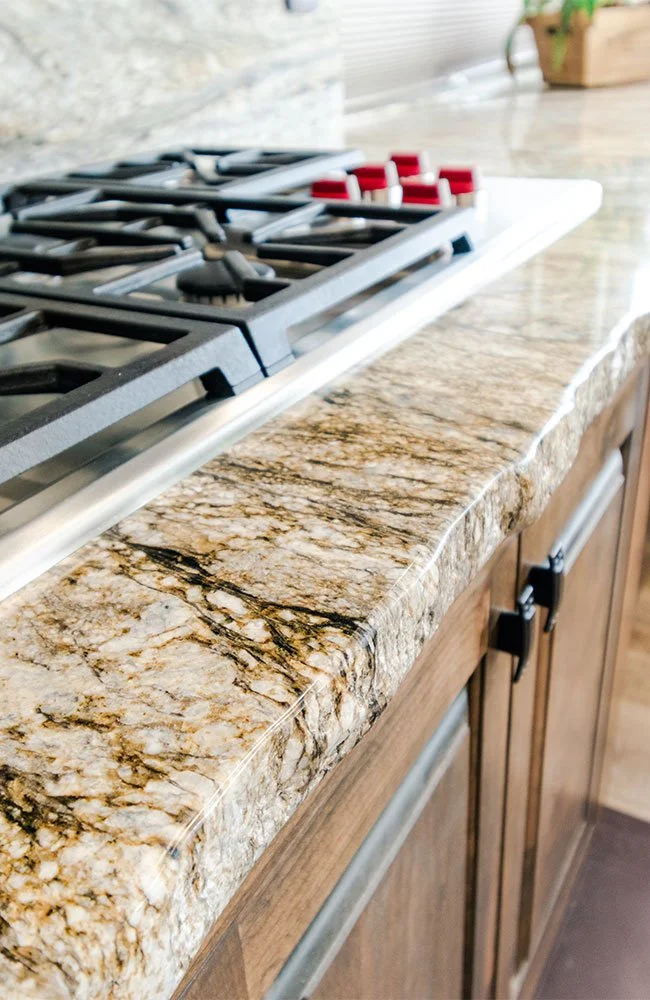
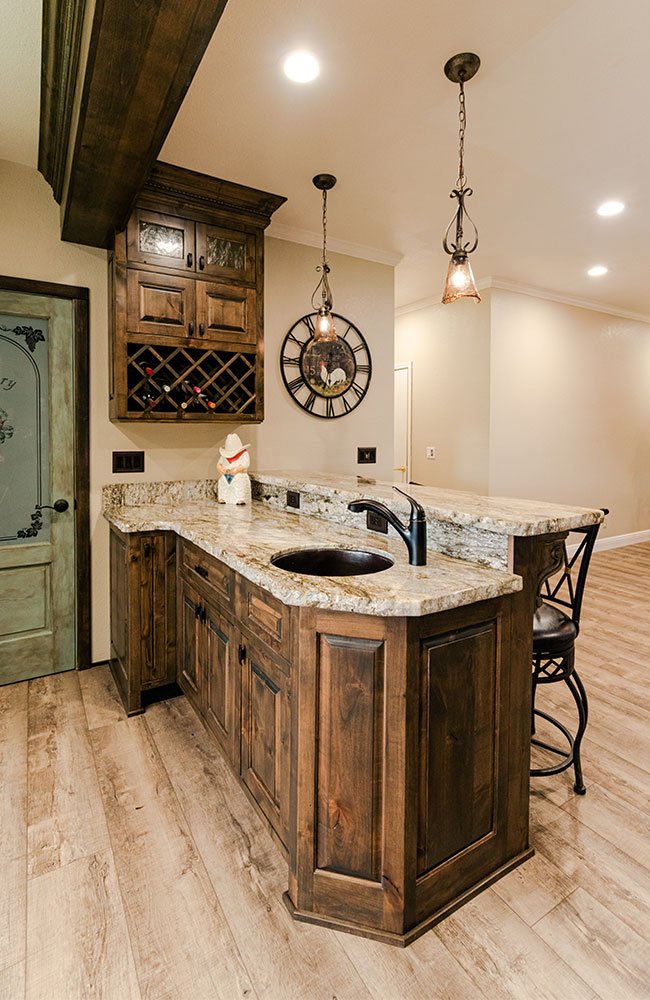
Granite is one of the most widely used natural stones for countertops because of its strength and classic appearance. Formed from cooled magma deep within the earth, it is highly resistant to heat, scratches, and everyday wear. Its natural variation in pattern and color ensures that no two slabs are identical, giving every project a unique character. Granite does require occasional sealing to maintain its resistance to stains, but with proper care, it can last for decades. Granite slabs can withstand temperatures up to 1,200 degrees Fahrenheit, but they are susceptible to damage from thermal shock: a sudden and drastic change in temperature, so we recommend using a trivet or potholder for very hot items to avoid cracking or discoloration.
Best for: Busy kitchens, family homes, and spaces where durability is a top priority.
Quartzite: Natural Strength with a Luxurious Look
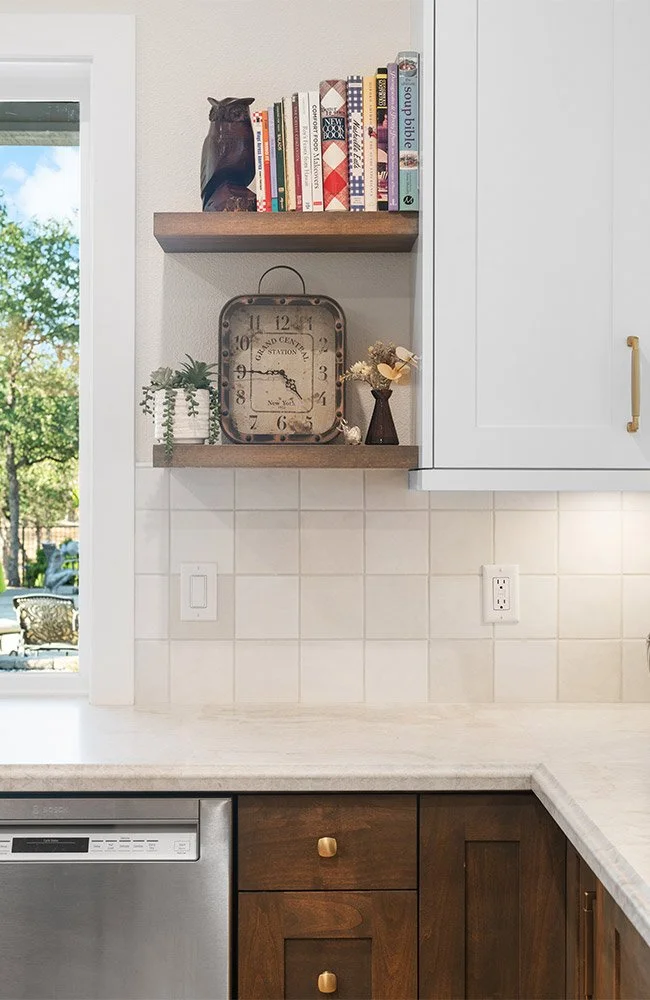
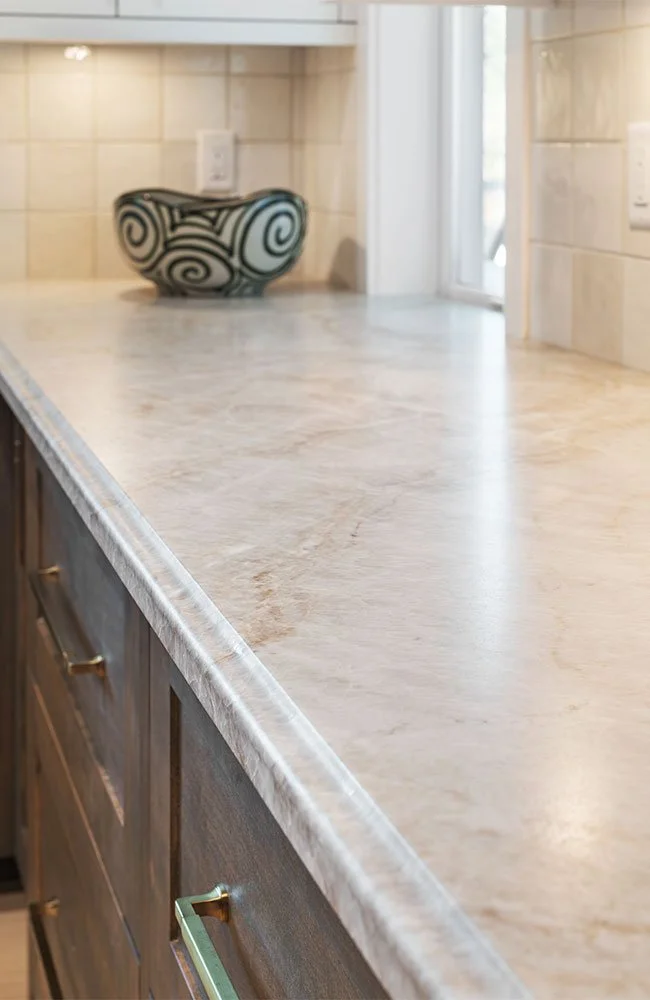
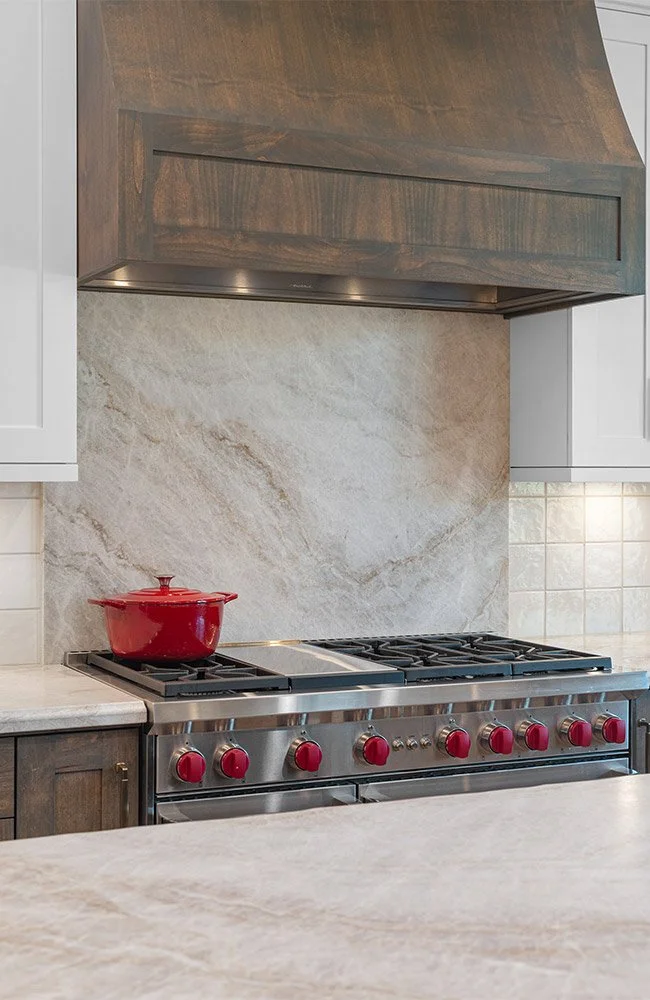
Quartzite is a metamorphic rock created when sandstone is subjected to intense heat and pressure. It is harder than granite and extremely resistant to scratching and heat. Many quartzite slabs resemble marble with their soft veining and elegant color palettes, but they offer significantly more strength and durability. Like granite, quartzite should be sealed regularly to protect against staining. Quartzite can withstand temperatures up to 1,000 degrees Fahrenheit, but they are susceptible to damage from thermal shock: a sudden and drastic change in temperature, so we recommend using a trivet or potholder for very hot items to avoid cracking or discoloration.
Best for: Homeowners who love the look of marble but prefer a more resilient surface.
Soapstone: Smooth, Organic, and Naturally Resistant
Soapstone is a metamorphic rock composed primarily of talc, which gives it a smooth and silky texture. Although it is softer than granite or quartzite and can scratch more easily, it is resistant to heat and chemicals. Over time, soapstone develops a natural patina that many people find attractive. Because it is non-porous, it does not require sealing and is naturally resistant to stains and bacteria, and it is resistant to heat up to 1,900 degrees Fahrenheit, making it a great option for fireplaces as well.
Best for: Anyone seeking a softer, organic appearance with minimal maintenance and natural aging character.
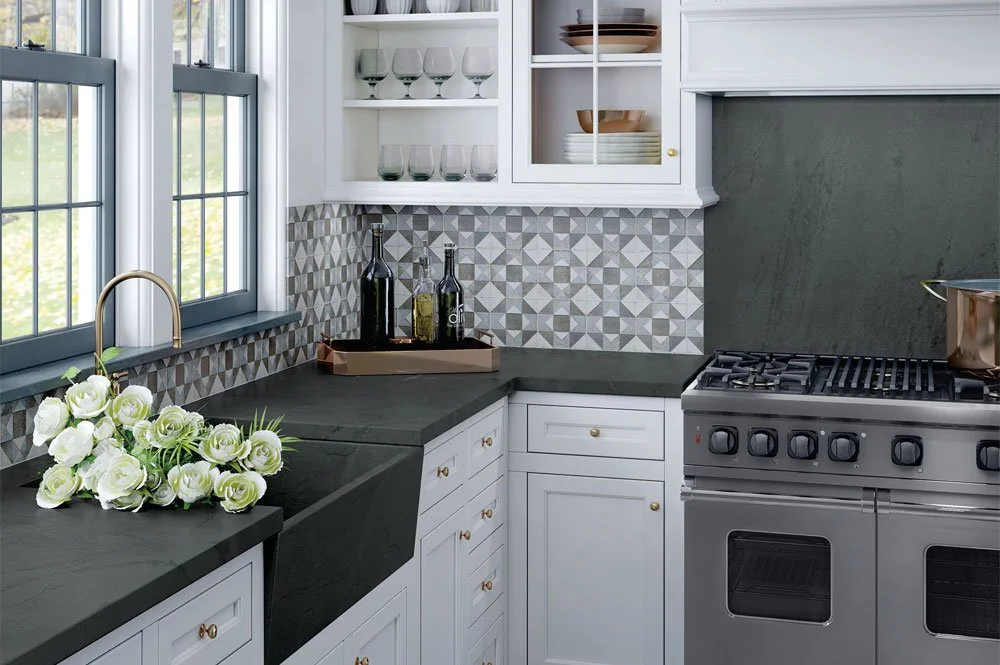
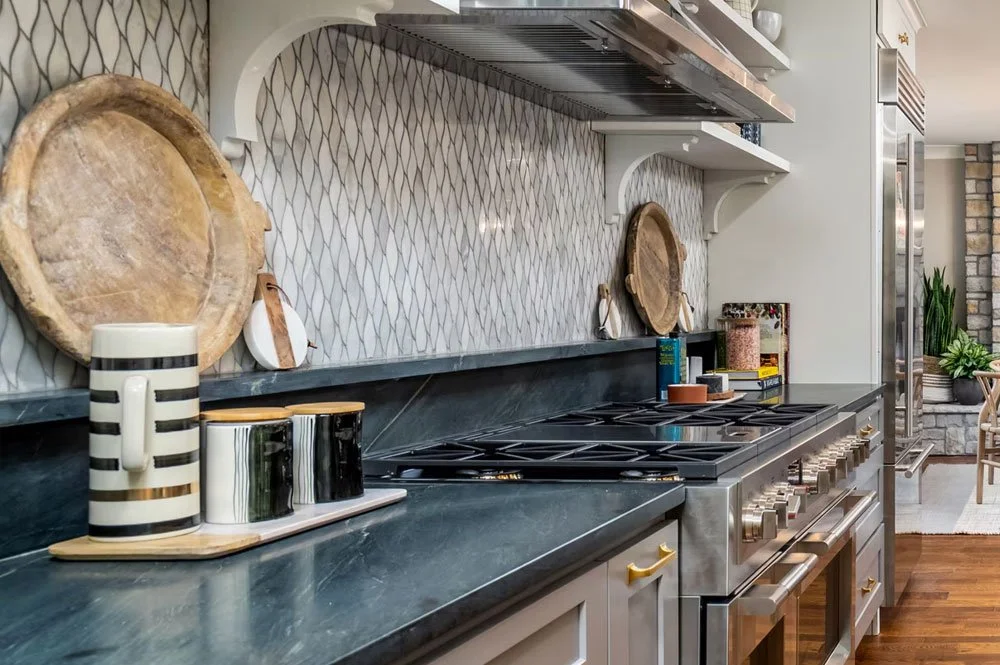
images courtesy of daltile.com
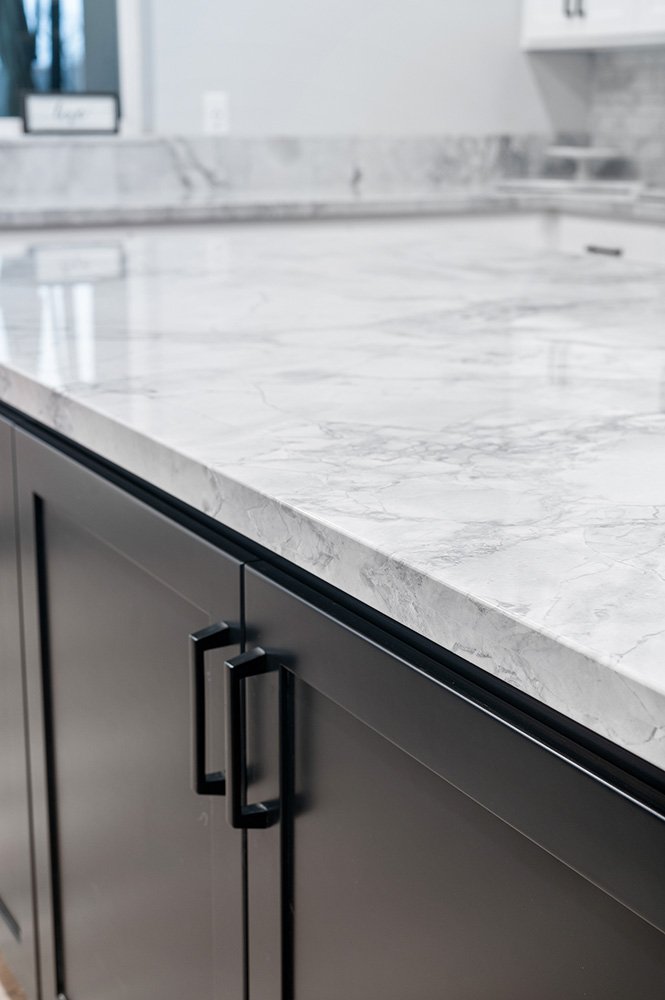
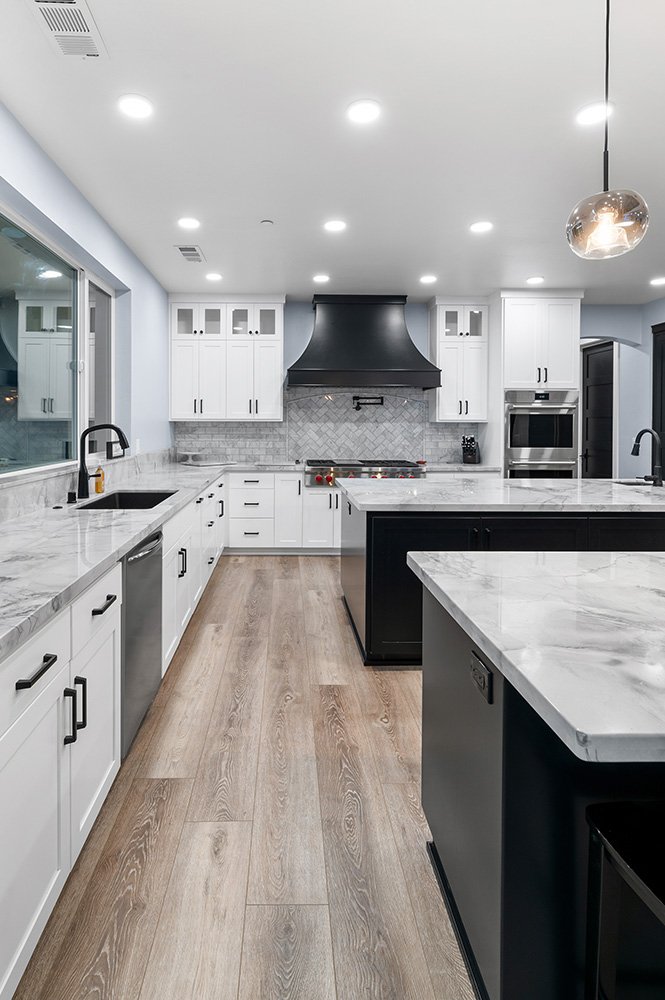
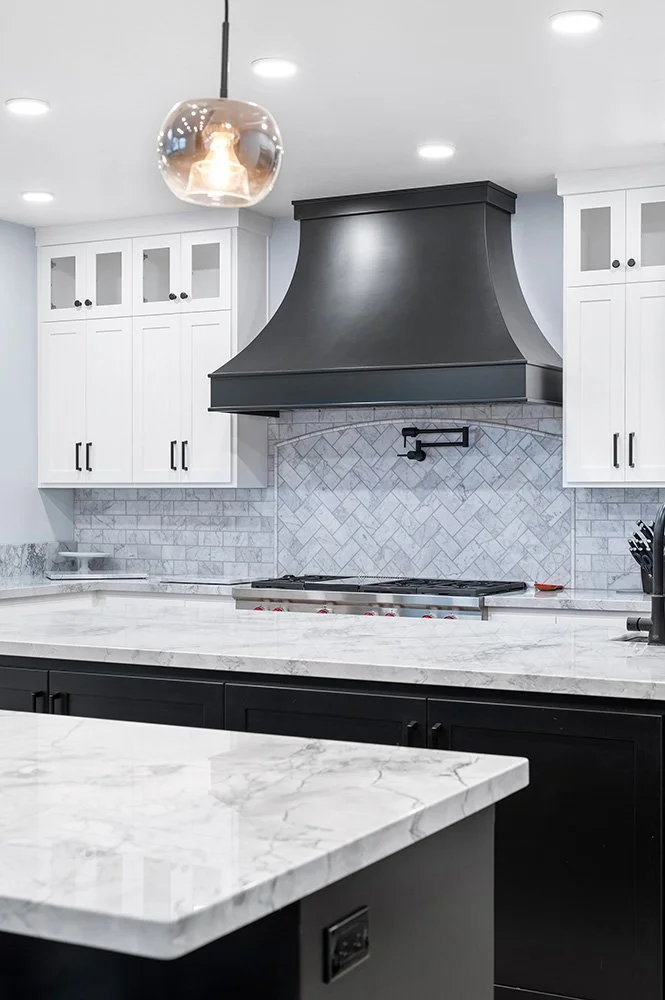
Marble: Classic Beauty That Requires Care
Marble has been prized for centuries for its elegance and distinctive veining. It is a metamorphic rock made primarily from recrystallized limestone, which gives it a softer surface compared to granite or quartzite. While beautiful, marble is vulnerable to etching, scratching, and staining, especially from acidic substances. Regular sealing and careful maintenance are necessary to keep it looking its best. Marble can withstand heat up to about 300 degrees Fahrenheit for short periods of time, and it’s recommended to use trivets or hot pads to protect the surface from hot pots/pans and other heat sources including crock pots.
Best for: Bathrooms, low-traffic kitchens, or areas where visual impact is more important than durability.
Dolomite: A Balanced Alternative
Dolomite is a sedimentary rock that offers a similar appearance to marble but with slightly more durability. It is more resistant to scratches and etching than marble, though not as tough as granite or quartzite. Dolomite typically features soft, neutral tones with subtle veining, providing a classic look with added practicality. Dolomite can withstand heat up to about 300 degrees Fahrenheit for short periods of time, and it’s recommended to use trivets or hot pads to protect the surface from hot pots/pans and other heat sources including crock pots.
Best for: Homeowners who want the timeless beauty of marble with improved durability and easier maintenance.
Quartz: Consistent, Low-Maintenance, and Versatile
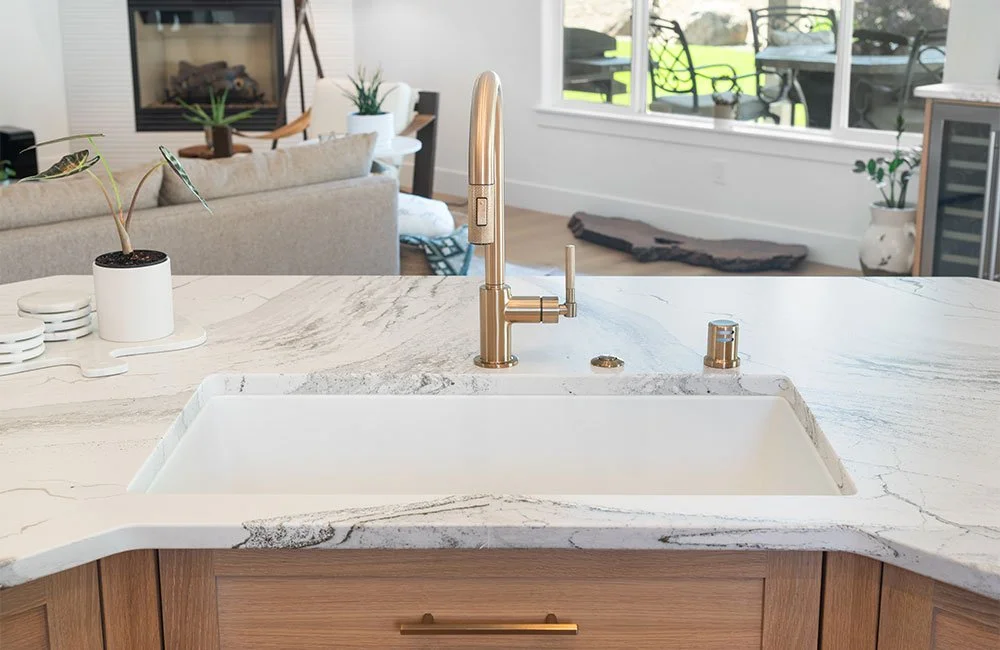
Quartz is an engineered stone created from crushed natural quartz combined with resins and pigments. The result is a non-porous surface that resists stains, scratches, and bacteria without the need for sealing. Because it’s man-made, quartz offers exceptional design flexibility, ranging from sleek, uniform appearances to surfaces that mimic the natural veins and patterns of real stone. This makes it easier to achieve a specific look or match multiple slabs across large spaces. However, it is not as heat resistant as natural stone and can be damaged by high temperatures. Quartz can withstand heat up to about 300 degrees Fahrenheit for short periods of time, and it’s recommended to use trivets or hot pads to protect the surface from hot pots/pans and other heat sources including crock pots.
Best for: Busy households, contemporary spaces, and anyone who wants easy maintenance with a uniform appearance.

Choosing the Right Material for Your Home
Ready to choose the perfect surface for your home? Whether you love the timeless character of natural stone or the customizable versatility of engineered quartz, our team can help you find a material that matches your style, lifestyle, and budget. Contact Ceramic Designs today to start planning your dream kitchen or bathroom remodel.